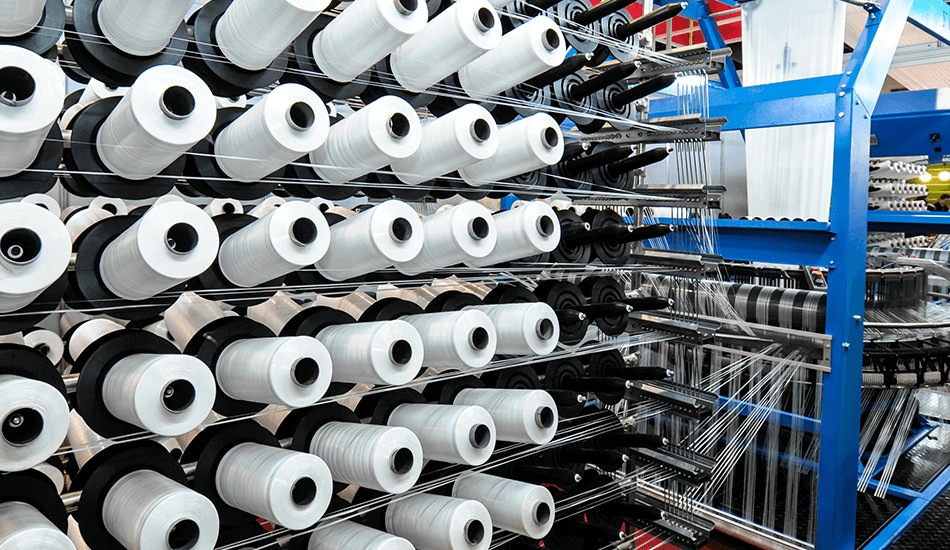
Textiles can produce not only wearable clothing, but through complex techniques and layer-by-layer interweaving and stacking, they can also create beautiful handicrafts with multiple layers like paintings. With the advancement of industrial automation, nowadays, it is also possible to produce stunning clothing that was previously only woven by skilled artisans through textile machines. The entangled fibers need to be loosened by rolling, slapping, tearing and other methods, while the controller must be able to withstand complex environmental noise and vibration and operate stably continuously. The weaving process relies on extremely rapid interweaving of line segments, which places high demands on the control performance and accuracy of the controller. During dyeing and finishing, it is necessary to heat chemical agents for mixing and color adjustment, and then carry out color setting after dyeing. The process requires accurate temperature control to ensure that the dyes firmly adhere to different materials.